
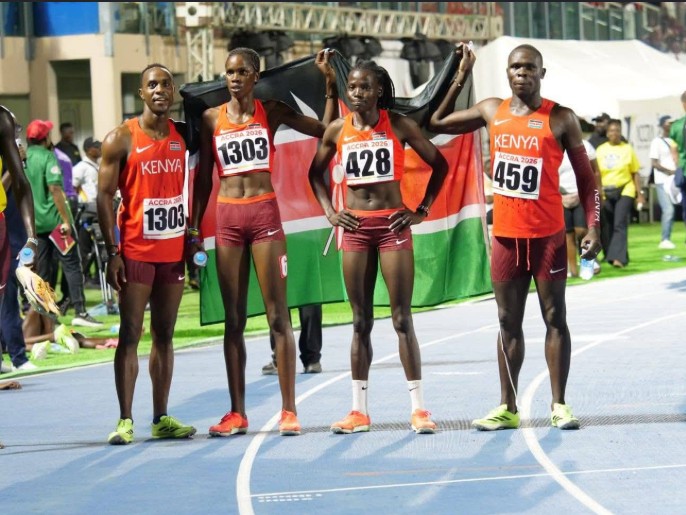
Kenya’s selection to host the 2029 World Athletics Championships has opened a new chapter for the country’s tourism industry, placing Nairobi at the centre of an international sporting event expected to attract athletes, officials, media professionals and spectators from many parts of the world.
World athletics announced on September 15, 2026, that Nairobi had won the right to stage the championships, making it the first African city to host the sport’s premier outdoor global competition.
The decision has significance beyond athletics because it gives Kenya an opportunity to turn global sporting attention into longer tourism stays, wider destination marketing and new business opportunities.
The championships are scheduled to take place in September 2029. following the 2027 edition in Beijing and before Munich hosts the 2031 event. Nairobi is not entering completely unfamiliar territory.
The city previously hosted the World under-18 Championships in 2017 and the World under-20 Championships in 2021, experiences that demonstrated Kenya’s ability to organise international athletics competitions.
The 2029 event, however, will be on a much larger stage bringing the world’s leading track and field athletes together in one of Africa’s best-known sporting destinations.
The Event’s Contribution to Tourism.
For Kenya’s tourism industry, the biggest opportunity may come form visitors who decide that their trip should include more than the stadium. Athletes and officials will have demanding competition schedules, but spectators and other international visitors can spend additional days discovering the country.
Kenya has a tourism portfolio capable of supporting this idea, from wildlife safaris and beach holidays to cultural experiences, mountain adventures and city attractions. Tourism authorities have already highlighted the possibility of encouraging visitors to arrive earlier, stay longer and explore destinations beyond Nairobi.
Nairobi itself can become an important part of the experience. The capital offers a combination that few sporting destinations can easily produce: a major international city located close to wildlife and diverse landscapes.
A visitor attending an athletics session can potentially combine the event with a visit to Nairobi National Park, the David Sheldrick Wildlife Trust, Giraffe Centre, museums, restaurants, markets and cultural places, transport companies and other small businesses to benefit from the international audience.
The wider country can also be brought into the championship story. Kenya’s famous wildlife destinations, including the Masai Mara, Amboseli, Tsavo and other protected areas could feature in the pre-event and post-event travel packages.
The coast offers another extension with Mombasa, Diani and other beach destinations providing a different experience for visitors who want to combine sport with relaxation. Cultural tourism can add another layer by introducing guests to local communities, food, music, crafts, traditions and historical sites. The key opportunity is to make these experiences easy to access and connect them effectively with the championship itinerary.
The Event’s Impact on Kenya’s Economy.
The economic effect could reach far beyond traditional tourism businesses. Large international events create demand for accommodation, food services, airport transfers, vehicle hires, security, event management, technology, communication, entertainment and merchandise.
Kenya’s small and medium-sized enterprises could therefore find opportunities before and during championships. Government officials have also pointed to possible gains in hospitality, logistics, broadcasting, technology and the creative economy.
Infrastructure will be central to whether the tourism opportunity becomes a lasting success. Kasarani Stadium is expected to serve as the principal competition venue and is already going improvements connected to Kenya’s wider preparations for major international sporting events.
The country will need reliable transport, suitable accommodation, strong telecommunications, efficient airport services, security systems and quality visitor facilities. These investments can improve the experience of tourists long after the final race has ended.
The championship can also strengthen Kenya’s image as a destination for sports tourism. Kenya has spent decades building a global reputation through distance running, with athletes such as Eliud Kipchoge, Faith Kipyegon, David Rudisha and many others becoming internationally recognised names.
The World Coming to Kenya.
Bringing the world championship to Nairobi reverses the usual direction of Kenya’s athletics story: instead of Kenyans travelling abroad to compete, international athletes will come to Kenya. World Athletics President Sebastian Coe described the decision as historic and pointed to Kenya’s deep connection with the sport.
The connection can become a tourism asset when it is presented responsibly as Visitors may want to understand where Kenyan champions train, how running developed in communities such as the rift valley and what makes Kenya such a powerful force in distance running.
Training-centre visits, athlete stories, sports museums, community tours and running experiences could become additional products for visitors interested in the human side of the Kenyan athletes.
The Event’s Legacy to Kenya.
There is also a strong opportunity for destination marketing. Every athlete, journalist, coach, official and supporter arriving in Nairobi becomes part of the event’s international audience. Images of Kenya’s stadiums, landscapes, wildlife and cities can travel through television broadcasts, social media and digital platforms.
Championships could therefore promote Kenya to people who may never consider the country for a holiday. The tourism sector can maximise this exposure by presenting clear, attractive and bookable travel options rather than relying only on general publicity.
The tourism legacy should ultimately be measured by what remains after the athletes leave. Better sporting facilities, stronger hospitality standards, improved transport systems, trained event professionals and new tourism products could continue generating value for years. Young Kenyans could gain employment and practical experience while tourism businesses could develop new international markets.
For Nairobi, the 2029 World Athletic Competitions are therefore much more than a series of races. They are a chance to connect the country’s athletics heritage with its wildlife, culture, hospitality and landscapes.