
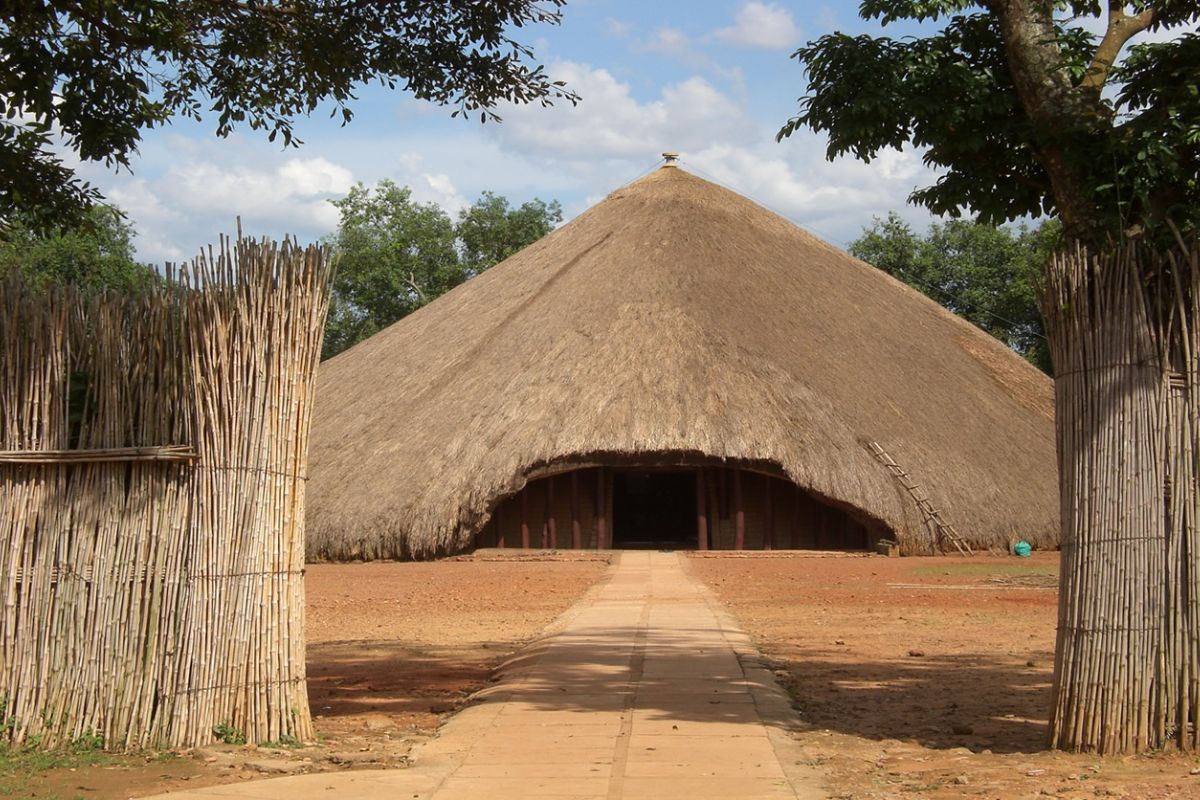
Heritage and community are the two major backbones of tourism that were not given much attention before. Uganda’s cultural heritage is becoming one of its most valuable assets in building stronger communities and creating lasting economic opportunities. For many years, culture was mainly appreciated for preserving history, identity and traditions. Today, however, communities are beginning to realise that their heritage can also support livelihoods without losing its authenticity.
Traditional dances, local crafts, storytelling, cultural ceremonies, music and indigenous knowledge are now attracting visitors from around the world. As tourism grows, these cultural treasures are creating jobs, generating income and improving the quality of life for many families while keeping Uganda’s identity alive.
Culture
Culture becomes a form of currency when it creates value that benefits people economically and socially. Unlike natural resources that can be exhausted, cultural heritage becomes stronger when it is shared responsibly. Every traditional dance performed, every handmade basket sold, and every story narrated by an elder contributes to community income while preserving knowledge that has been passed down through generations. This approach allows communities to earn from what they already possess instead of abandoning their traditions in search of modern alternatives. It proves that preserving heritage and improving livelihoods can move together.
One of the biggest contributors to community wealth is cultural tourism. Many travellers today seek experiences that go beyond wildlife safaris and beautiful landscapes. They want to meet local people, understand different ways of life, taste traditional foods and participate in authentic cultural activities. Uganda offers these experiences through its diverse ethnic communities, each with unique customs, languages, music and ceremonies. As visitors spend money on entrance fees, accommodation, meals and locally made products, the benefits spread throughout entire communities rather than remaining with a few individuals.
Traditional arts and crafts continue to play a major role in transforming heritage into income. Across Uganda, skilled artisans produce baskets, pottery, bark cloth, wood carvings, mats, jewellery, woven bags and traditional clothing using techniques inherited from their ancestors. These products are more than souvenirs because each one reflects the history, creativity and identity of the people who make them.
When tourists purchase handmade crafts directly from local producers, they support household incomes. This encourages younger generations to learn skills that might otherwise disappear. This creates a sustainable cycle where culture provides both pride and financial security.
Music and dance remain among Uganda’s strongest attractions. Every region has its own distinctive rhythms, instruments, costumes and styles of performance that tell stories about community life, celebrations and history. Cultural groups perform at festivals, tourism events, conferences, hotels and community celebrations, creating employment for dancers, musicians, choreographers, costume makers and event organisers.
These performances not only entertain audiences but also educate visitors about Uganda’s rich cultural diversity. As demand for authentic cultural entertainment increases, more young people are discovering that their traditional talents can become rewarding careers.
Cuisine/Food
Food is another part of Uganda’s cultural economy. Traditional meals offer visitors an opportunity to experience local lifestyles through taste and hospitality. Dishes prepared using fresh local ingredients reflect the agricultural practices and customs of different communities. Families that open their homes to visitors for traditional dining experiences generate additional income. They share recipes and cooking methods that have been preserved for generations. Farmers, food vendors, local markets and transport operators all benefit. This is because cultural tourism increases demand for locally produced food rather than imported alternatives.
Ndere Cultural Centre
A remarkable example of culture driving community wealth is the Ndere Cultural Centre in Kampala. The centre has become one of Uganda’s most respected cultural destinations by celebrating the traditions of communities from across the country. Instead of focusing on a single culture, it presents colourful performances that showcase music, dance, storytelling, poetry and traditional customs from many regions. Visitors leave with a deeper understanding of Uganda’s cultural richness, making the centre an important bridge between local communities and international audiences.
The impact of Ndere Cultural Centre extends well beyond the stage. It employs performers, costume designers, technicians, chefs, administrators, guides and hospitality workers. Local businesses also benefit by supplying food, fabrics, musical instruments, construction materials and maintenance services. Young performers receive training and mentorship that allows them to build careers while preserving traditional art forms. The centre demonstrates that investing in culture is not only about entertainment but also about supporting livelihoods, strengthening communities and inspiring national pride.
Community tours
Community-based tourism has further strengthened the connection between heritage and economic development. In many parts of Uganda, visitors are welcomed into villages where they learn traditional farming methods, participate in food preparation, watch craft demonstrations and listen to stories shared by community elders. These experiences provide direct financial benefits to families while allowing visitors to appreciate authentic village life. Local people remain the owners and custodians of their traditions. They have greater motivation to protect their heritage instead of abandoning it in favour of modern influences.
Cultural sites
Uganda’s cultural institutions, traditional kingdoms, chiefdoms and historical sites also contribute significantly to local economies. Royal Palaces, ancient burial grounds, sacred forests, cultural museums and historical monuments attract researchers, students, pilgrims and tourists throughout the year. These visits create opportunities for local guides, transport providers, accommodation facilities, restaurants and small businesses. At the same time, entrance fees and tourism revenue help support the maintenance and protection of important heritage sites so that they continue serving future generations.
Despite these achievements, preserving authenticity remains essential. Communities should not feel pressured to alter their traditions simply to satisfy commercial interests. Culture has lasting value because it represents genuine beliefs, customs and ways of life. Tourism should therefore respect local traditions while ensuring the community members participate in decision-making and receive fair benefits from cultural activities. Training young people, documenting oral history, supporting local artisans and protecting cultural sites are all necessary steps in ensuring that heritage remains both meaningful and economically valuable.
Government agencies, cultural leaders, tourism operators, educational institutions and private investors all have important roles to play in strengthening Uganda’s cultural economy. Investments in cultural centres, community tourism projects, festivals, museums, skills training and better infrastructure can increase visitor experiences while improving local livelihoods. Marketing Uganda’s cultural diversity responsibly will also encourage more travellers to explore destinations beyond wildlife parks. This will spread tourism benefits to communities across the country.
Uganda’s heritage is far more than a reminder of the past but a living resource that continues to create opportunities for the present and hope for the future. When communities preserve their traditions while embracing responsible tourism, culture becomes a powerful driver of economic growth, employment and social unity. The success of places like Ndere Cultural Centre demonstrates that protecting heritage does not slow development but rather creates new pathways for prosperity. As Uganda continues to celebrate its cultural diversity, its heritage will remain one of the country’s greatest sources of community wealth, national pride and sustainable development.