
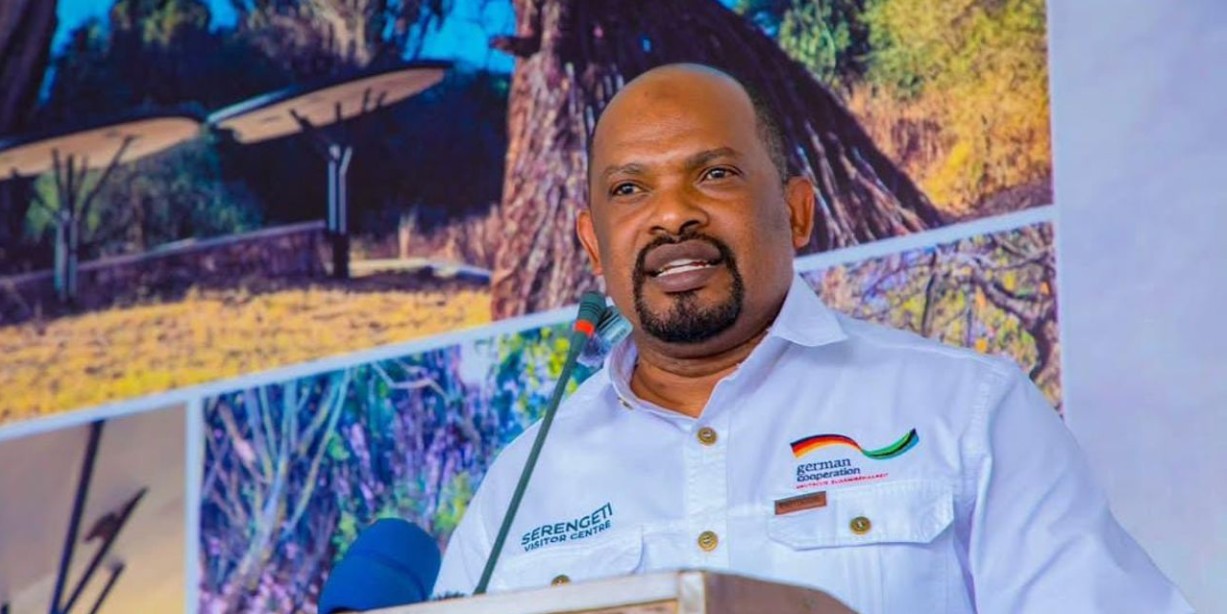
The world-famous Serengeti National Park has opened a modern visitor centre worth Shs3.9billion, marking a major step towards strengthening wildlife conservation, environmental education and sustainable tourism in Tanzania. The facility located in Seronera, was officially inaugurated on October 7, 2026, as the park celebrated 75 years since its establishment.
The Serengeti visitor centre aims to help tourists understand the natural systems that sustain the park and the importance of protecting its wildlife for future generations. Rather than serving as a stop for visitors, the centre offers an education experience that connects tourism with conservation.
A Major Investment in Serengeti Conservation.
The Tanzania National Parks Authority (TANAPA) led the development of the upgraded facility in partnership with the Frankfurt Zoological Society (FZS). The German Government financed the project through KFW Development Bank under the Serengeti Ecosystem Development and Conservation Project.
The investment of shs3.9Billion reflects continued international support for protecting one of Africa’s most celebrated wildlife destinations.
During the opening ceremony, Tanzania’s Deputy Minister for Natural Resources and Tourism, Hamad Hassan Chande, highlighted the centre’s role in educating visitors about wildlife, natural resources and environmental protection.
The project also reinforces Tanzania’s commitment to ensuring that tourism contributes to conservation rather than placing unnecessary pressure on environment.
What Visitors Can Expect at the New Centre.
The upgraded Serengeti visitor centre offers an opportunity to explore the park beyond traditional game drives. Its exhibitions explain the ecosystem, wildlife, conservation history and cultural connections that make the Serengeti unique.
Visitors can learn about the relationships about animals, plants, water sources and habitats. The centre also explains the annual wildebeest migration, one of Africa’s most remarkable wildlife spectacle, during which vast herds move across the Serengeti ecosystem in search of fresh grazing and water.
Walking trails allow visitors to explore the surroundings while learning about the natural landscape. The facility also features cultural displays, conservation information and artwork created by Tanzanian artisans.
These experiences can help travellers appreciate why protecting the Serengeti requires more than safeguarding individual animals. It also means preserving the habitats, migration routes and ecological processes that allow wildlife to survive.
Sustainable Tourism Takes Centre Stage.
The new centre incorporates environmentally conscious features including solar power and rainwater harvesting. These measures demonstrate how tourism facilities can reduce their environmental footprint while supporting visitor services.
Sustainable tourism plays an important role in the future of Serengeti. The Park attracts visitors from across the world supporting tourism businesses, guides, accommodation providers and communities connected to the industry.
However, tourism must operate alongside responsible wildlife management and environmental protection. By teaching visitors about conservation challenges and responsible travel, the centre can encourage more informed decisions during safaris.
Visitors who understand the ecological importance of the park may also become stronger advocates for wildlife protection after returning home.
Serengeti’s Wildlife Recovery Shows the Value of Conservation.
The opening comes as conservation partners continue working to protect threatened species across the Serengeti ecosystem. One encouraging example is the recovery of the black rhinoceros’ populations.
According to TANAPA, the number of black rhinos in the Serengeti has increased from just 3 in 1990 to approximately 50. Sustained protection and cooperation between conservation authorities and their partners have contributed to this recovery.
The progress demonstrates how long-term conservation can help threatened wildlife recover. It also highlights the need to maintain protection against poaching and other pressures that threaten animal populations.
The visitor centre gives these conservation achievements a public platform helping tourists understand the work behind the wildlife they encounter during their safari.
Tanzania and Germany Strengthen Their Conservation Partnership.
Germany has supported conservation and community development in the Serengeti ecosystem for more than a decade. Through its cooperation with Tanzania, it has helped fund initiatives that support wildlife protection and improve conditions for surrounding communities.
The visitor centre forms part of the wider partnership. Beyond tourism education, the Serengeti Ecosystem Development and Conservation Project has supported improvements to feeder roads, education and health facilities as well as community conservation initiatives.
These efforts recognise that protecting wildlife also requires attention to the people who live around protected areas. Stronger community participation can help build local support for conservation while creating opportunities for sustainable livelihoods.
A New Reason to Explore Serengeti National Park.
The Serengeti remains one of Tanzania’s leading safari destinations, known for its open grasslands, diverse wildlife and spectacular migration. The new visitor centre adds an educational dimension to the traditional safari experience.
Travellers visiting seronera can gain deeper understanding of the landscape before or after exploring the park. The facility also provides information about Tanzania’s wider national park network, potentially encouraging visitors to discover other protected areas across the country.
For tour operators, guides and conservation educators, the centre offers another way to communicate the value of responsible tourism.
Looking Ahead: Protecting the Serengeti for Future Generations.
The opening of the Shs3.9Billion Serengeti visitor centre marks an important investment in conservation education and sustainable tourism. By combining wildlife information, cultural displays and environmentally conscious features, the facility aims to help visitors understand the importance of protecting the Serengeti ecosystem.
Its long-term Impact will depend on how effectively it engages tourists, students and surrounding communities. However, the message is clear: the future of Serengeti depends on cooperation, responsible tourism and sustained conservation efforts.
As Tanzania celebrates 75 years of Serengeti National Park, the new centre offers a reminder that protecting this natural treasure is a shared responsibility. Its greatest success will not only be measured by the number of visitors it welcomes, but also by how well it inspires people to support wildlife conservation.