
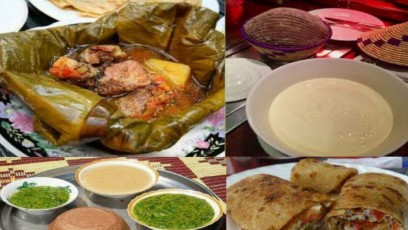
Uganda offers more than unforgettable wildlife encounters, mountain gorilla trekking and breath-taking landscapes. The country also welcomes visitors with traditional foods that tell stories about its cultures, communities and way of life. From creamy sauces served at cultural gatherings to steamed dishes wrapped in banana leaves, Ugandan cuisine adds a memorable touch to every safari.
Whether you are exploring Bwindi Impenetrable National Park, watching wildlife in Queen Elizabeth National Park or discovering the source of the Nile in Jinja, make time to sample the local food. Here are must try Ugandan dishes every safari traveller should enjoy before leaving the country.
-
Luwombo: A Traditional Meal Full of Flavour.
Luwombo is one of Uganda’s most celebrated traditional dishes, particularly among the Baganda people of central Uganda. Cooks prepare it by placing meat, chicken, ground nut sauce or other ingredients in banana leaves and steaming them until the flavours blend beautifully.
The banana leaves help retain moisture while giving the food a distinctive aroma. Depending on the recipe, luwombo may contain chicken, beef, mushrooms or groundnut sauce. Many families serve it with matooke, rice, sweet potatoes or casava.
For safari travellers, luwombo offers an excellent introduction to Uganda’s culinary heritage. You can sample it at traditional restaurants, selected hotels and cultural dining experiences around Kampala and other towns.
-
Eshabwe: The Creamy Taste of Ankole.
Travel to western Uganda, particularly the Ankole region to discover eshabwe, a traditional sauce associated with the Banyankore people. Cooks traditionally prepare it using ghee, salt and carefully controlled amounts of water.
Eshabwe has a smooth, creamy texture and a distinctive taste shaped by the quality of the ghee. Communities traditionally serve it during important occasions including cultural ceremonies and special family gatherings.
You can enjoy eshabwe with millet bread, commonly known as Akalo or other traditional accompaniments. Its simplicity makes it especially interesting for visitors who want to understand how local communities transform familiar ingredients into culturally significant meals.
If your Uganda safari takes you through Mbarara or other parts of Ankole, ask your guide to recommend a place where you can experience authentic eshabwe.
-
Atapa: Discovering the Flavours of Eastern Uganda.
Atapa is a traditional food associated with the Iteso people of eastern Uganda. It provides travellers with an opportunity to explore a culinary tradition that receives less international attention than some of the country’s better-known dishes.
People commonly prepare Atapa using millet flour although preparation methods and accompaniments vary between households and communities. Depending on local traditions, cooks serve it with vegetables, meat or other sauces to create a filling meal.
Atapa is particularly worth exploring if your travels take you towards Soroti, Kumi or other parts of the Iteso subregion. Sampling it can also create opportunities to learn about local food preparation, farming practices and the cultural importance of traditional meals.
Ask local hosts about the ingredients and preparation methods when you order. Food traditions vary from one community to another making each dining experience an opportunity to discover something new.
-
Muchomo: Uganda’s Favourite Grilled Meat.
If you enjoy grilled food, muchomo deserves a place on your Ugandan food bucket list. The name commonly refers to roasted or grilled meat including goat, beef and chicken.
Cooks season the meat according to their preferred recipes and roast it over charcoal or an open flame. The result is a smoky aroma, a crisp exterior and tender meat when prepared well. Vendors often serve muchomo with roasted plantain, chips, tomatoes, onions or other accompaniments. Muchomo is widely enjoyed at roadside food stalls, local restaurants, social gatherings and evening hangouts. It makes an excellent choice after a long day of wildlife viewing.
For the best experience, choose a busy, reputable food outlet that prepares meat thoroughly and serves it hot. If you have dietary restrictions, ask about the ingredients and cooking methods before ordering.
-
Rolex: Uganda’s Famous Street-Food Experience.
No Ugandan food adventure feels complete without trying a rolex. Despite its name, this popular street food has nothing to do with a luxury watch. The name comes from the combination of rolled eggs and chapati.
A vendor prepares an omelette, often mixing eggs with chopped tomatoes, onions, cabbage or other vegetables. The vendor then places it inside a freshy cooked chapati and rolls everything together.
Rolex stands are common in Kampala and many other Ugandan towns. Travellers can enjoy this affordable meal for breakfast, lunch or a quick snack between activities.
Although simple, the rolex reflects Uganda’s creative street-food culture. Vendors also prepare different versions, allowing customers to choose filling and portion sizes according to their preferences.
Make Ugandan Cuisine Part of Your Safari.
Uganda’s traditional dishes offer more than something delicious to eat. They connect travellers with local communities, cultural practices, agricultural traditions and regional identities.
Try luwombo for its rich flavours, sample eshabwe in Ankole, discover Atapa in easter Uganda, enjoy fresh grilled muchomo and finish your culinary adventure with a rolex from a trusted street-food vendor.
As you plan your Uganda safari, ask your tour operator or local guide to include traditional food experiences in your itinerary. Whether you are tracking mountain gorillas, exploring national parks or discovering Uganda’s cultural attractions, these five dishes can make your journey even more memorable.