
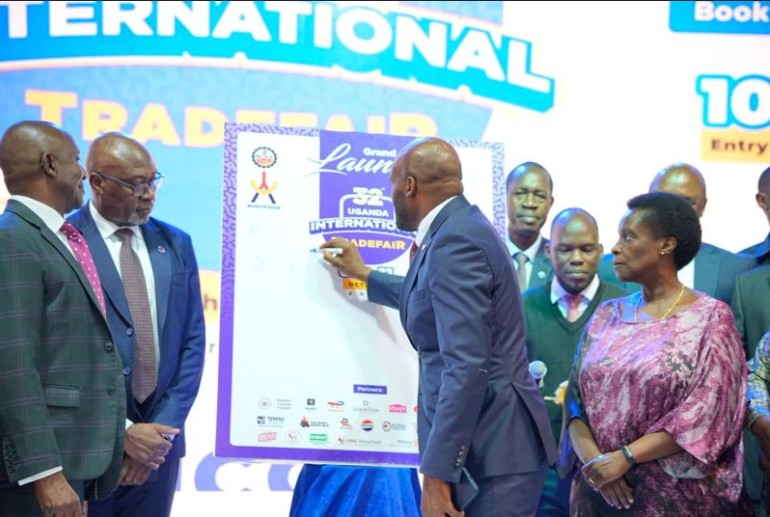
Uganda is preparing for the 32nd international trade fair, one of the country’s biggest annual platforms for business, manufacturing, trade and investment. The event will take place from October 2 to 11, 2026 at the Uganda manufacturers association (UMA) show grounds in Lugogo, Kampala.
This year’s trade fair will bring together more than 1,000 exhibitors from Uganda and international markets. Organisers expect businesses from more than 30 countries to participate, creating an important meeting point for manufacturers, entrepreneurs, investors, consumers and other players in the regional economy.
A Trade Fair Focused on Formalising Business.
The 2026 Uganda international trade fair carries the theme “formalising trade to secure Uganda’s economic future.” The theme places attention on the importance of organised, compliant and sustainable business activity as Uganda works to strengthen domestic production and expand its participation in regional and international markets.
Formalisation can help businesses gain access to finance, markets, partnerships and government support. For small and growing enterprises, the trade fair provides an opportunity to meet institutions and private sector players that can help them understand standards, financing, taxation and other requirements.
The theme also connects with the wider need to build businesses that can grow beyond local markets. When companies improve their systems, products and standards, they can compete more effectively and create opportunities for employment and investment.
Kampala Becomes a Meeting Point for Business.
The UMA show grounds in Lugogo will become the centre of the activity throughout the 11-day event. The organisers have designed the fair as more than a product exhibition. Visitors will encounter business exhibitions, conferences, masterclasses, product launches, networking opportunities and entertainment.
The official programme lists daily opening hours from 9am to 8pm, giving visitors considerable time to explore the exhibition areas, meet businesses and purchase products.
For businesses, the venue provides a direct connection with consumers and other companies. For visitors, it offers a chance to compare products, discover new brands and interact directly with manufacturers.
Agriculture Takes a Major Role.
Agriculture will receive significant attention through the agriculture pavilion. The pavilion will connect industrial players with farmers and other stakeholders while creating space for training and knowledge sharing.
This focus reflects the close relationship between agriculture and manufacturing in Uganda. Farmers supply raw materials to processors, while manufacturers produce equipment, packaging and inputs that support agricultural production.
The fair will also provide opportunities to demonstrate technologies and products that can improve productivity and value addition. By bringing different parts of the agricultural value chain together, the exhibition can encourage new commercial relationships.
SMEs Get a Platform to Grow.
Small and medium enterprises form an important part of Uganda’s business landscape and the SME pavilion will give them dedicated space at the trade fair.
For many smaller companies, reaching new customers can remain difficult. Participating in a large exhibition gives entrepreneurs a chance to demonstrate their products, explain their services and receive direct feedback from potential customers.
The trade fair will also help entrepreneurs build relationships with distributors suppliers and other businesses. A successful connection at an exhibition can eventually develop into a supply agreement, partnership or new sales channel.
Exploring Education, Health and Finance.
The 32nd Uganda international trade fair will extend beyond conventional commercial displays. Organisers have created dedicated pavilions for education, health, financing and textiles alongside agriculture and SMEs.
The education pavilion will introduce visitors to the skills, technology and practical learning opportunities. Its inclusion highlights the relationship between education and industrial development because businesses need skilled people to innovate, manufacture and expand.
The financing pavilion will also be important for entrepreneurs seeking information about financial services. Access to appropriate financing remains an important issue for businesses that want to purchase equipment, increase production or enter new markets.
The health pavilion also adds another dimension by connecting the trade fair with community wellbeing.
Business Matchmaking and Knowledge Sharing.
One of the most valuable parts of the Uganda international trade fair will happen away from the exhibition stalls. Business matchmaking, conferences, masterclasses will give participants opportunities to exchange ideas and establish professional connections.
Business owners can use these sessions to identify potential partners and learn from specialists. The format also creates opportunities for companies to understand changes affecting their industries.
Knowledge sharing can become particularly useful for young entrepreneurs who may have good products but limited experience in managing growth. Practical discussions can expose them to ideas about marketing, standards, finance, technology and customer relations.
International participation strengthens trade links.
The presence of exhibitors from more than 30 countries gives the trade fair an international character. It allows Ugandan businesses to interact with companies from different markets without travelling outside the country.
International participation can also encourage technology transfer, sourcing relationships and investment discussions. Local manufacturers can learn about new equipment and production methods while foreign businesses can explore Uganda as a potential market and regional business base.
The event therefore serves both local and international interests by creating a common space for commercial interaction.
Entertainment Adds Energy to the Exhibition.
The trade fair will combine business with entertainment throughout its 10-day programme. The organisers have planned live music, DJs, dancers, youth performers, breakdance showcases, raffles and giveaways on different days.
This approach will make the exhibition attractive to families, young people and visitors who want to combine shopping with leisure. It also creates another platform for Ugandan artists and performers to reach audiences.
A Platform for Uganda’s Economic Future.
The 32nd Uganda international trade fair arrives at a time when businesses need stronger connections with customers, suppliers, investors and regional markets. Its focus on formalising trade places attention on building enterprises that can operate sustainably and contribute to wider economic development.
From agriculture and manufacturing to education, finance, health and textiles, the exhibition will bring different sectors into one environment. That diversity makes the trade fair more than a shopping event. It becomes a place where ideas, products, services and business relationships can meet.
As the gates open at Lugogo on October 2, Kampala will once again become a focal point for Uganda’s business community. The 32nd Uganda international trade fair offers entrepreneurs, investors, manufacturers and consumers an opportunity to participate in a marketplace built around innovation, connection and the future of Ugandan