
Rwanda’s creative scene continues to find new ways of connecting music, faith and youth culture, and Nuru Wave Festival has entered that conversation with a distinctive approach. The festival brings urban gospel into a setting where music, dance, creativity and community meet. Its first full edition took place at Mundi centre in Kigali on September 20, 2026 turning the venue into a meeting point for young people, artists and Christian audiences.
A Festival Built Around a New Generation.
Nuru wave is more than a conventional gospel concert. The organisers created it around the idea of making faith relevant to contemporary youth culture without losing its central message. The name “Nuru” comes from the Swahili word for light, a theme that shapes the festival’s wider identity.
The idea gives the event direction. Instead of presenting gospel music through only traditional worship formats, Nuru wave creates room for modern sounds and creative expression. Afro-gospel, R&B, hip hop, Afro-beat, amapiano, spoken word, dance and DJ performances can all fit into its artistic language.
The approach reflects a changing entertainment landscape in which young audiences often move between different musical styles. Nuru wave places Christian expression within that modern environment and gives artists an opportunity to communicate through sounds that already speak to their generation.
Kigali Provides the Setting.
The choice of Kigali gives Nuru wave a natural home. Rwanda’s capital has developed a reputation as a growing centre for music, arts, events and creative entrepreneurship. Bringing the festival to Mundi Centre also gives the event an urban setting that suits its youthful character.
The 2026 programme ran from the afternoon to the evening, creating enough time for performances, interaction and entertainment. The event listing placed the festival at Mundi Centre from 3pm to 10pm, giving attendees a full evening experience rather than a short concert appearance.
For visitors, the festival also offers another way to experience Kigali. Music events can reveal a side of Rwanda that travellers may not encounter through traditional sightseeing alone. They created opportunities to meet local people, discover emerging performers and experience contemporary culture in a real time.
Artists Bringing Different Sounds.
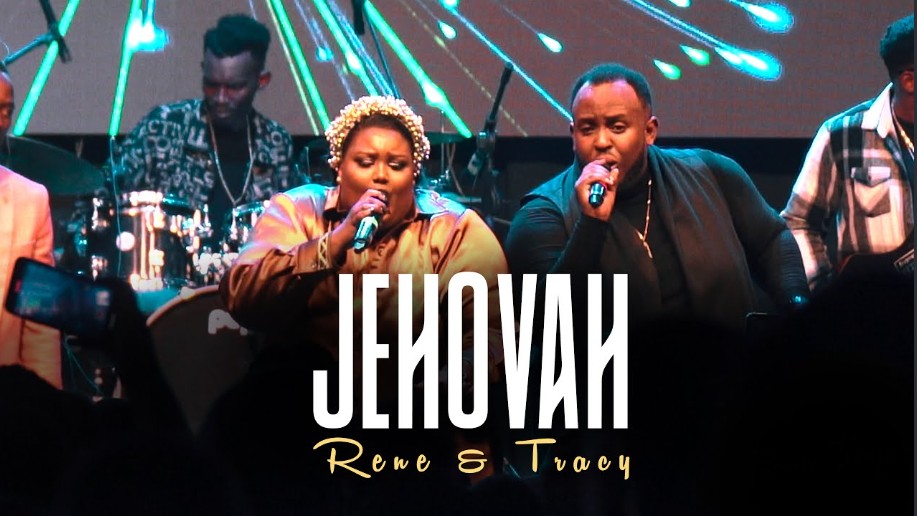
One of Nuru wave’s strongest features is its mix of established and contemporary gospel voices. The 2026 line up included Gaby Kamanzi, Rene Patrick and Tracy, SEE Muzik, Emeline Penzi, Rata Jay NayChah and Burundi’s victorious team.
Each performer adds a different musical identity to the programme. Gaby Kamanzi brings a recognised gospel and worship presence, while Rene Patrick and Tracy contribute a duo format built around worship and faith. SEE Muzik represents the festival’s contemporary direction through modern Christian music and faith-centred storytelling.
Emeline Penzi adds a soulful gospel expression, while Rata Jay NayChah brings reggae and dancehall influences into faith-based music. Victorious Team expands the festival beyond Rwanda by bringing Burundian gospel presence to the Kigali stage.
This combination prevents the festival from feeling musically narrow. Audiences can move between worship, contemporary rhythms and energetic performances while remaining within the festival’s broader Christian theme.
Where Faith Meets Creative Expression.
Nuru wave also stands out because it treats creativity as part of the message. Music remains at the centre, but the wider concept embraces fashion, poetry, dance, storytelling, visual art and conversations around identity and purpose.
That approach can make a faith-based event feel more connected to everyday youth experiences. Young creatives often use art to explore questions about identity, relationships, belonging, ambition and personal values. A festival that gives those subjects space can become a place for conversation as well as entertainment.
The organisers have also described Nuru wave as a movement with activities beyond the main festival. Its wider vision includes school tours, youth outreach, creative conversations and community activities. These initiatives point toward an identity that can continue throughout the year instead of depending on one annual gathering.
A Regional Creative Connection.
Although Nuru wave is rooted in Rwanda, its programme show potential for wider east African collaboration. The inclusion of victorious team from Burundi demonstrates how gospel music can cross national borders and create shared cultural experiences.
East Africa has a large and diverse Christian music audience, with artists increasingly blending local musical traditions with contemporary global sounds. Festival such as Nuru wave can provide platforms where these different influences meet.
For Rwanda’s tourism and creative economy, such events can add variety to the visitor experience. Travellers increasingly look for cultural activities that allow them to participate rather than simply observe. A youth-focused music festival can therefore complement Rwanda’s established attractions with a contemporary cultural experience.
Why Nuru Wave Matters.
The importance of Nuru wave lies in the space it creates. It speaks to young audiences who want entertainment that feels current while still reflecting their faith and values. It also gives artists a platform to experiment with sound, performance and storytelling.
The festival’s identity is not built only around famous names or a single night of music. Its deeper appeal comes from bringing people together around creativity, faith and community. That combination gives Nuru wave room to develop its own place within Rwanda’s growing festival culture.
Looking Ahead.
Nuru wave has introduced a concept that could continue developing as Rwanda’s creative sector grows. Future editions can build on the festival’s urban gospel foundation while creating more opportunities for emerging musicians, dancers, poets, designers and other creatives.
Its success will ultimately depend on how consistently it connects with it audience and turns its wider vision into experiences that people want to return to. For now, the festival has established a clear identity: a Kigali gathering where Christian faith meets modern music and creative culture.
For anyone interested in Rwanda beyond its landscapes and heritage attractions, Nuru wave offers another perspective. It shows a young, creative side of Kigali and demonstrates how music can create spaces for expression, connection and shared purpose. As the Nuru wave story continues, its message remains simple: bring light into culture and let creativity carry it forward.