
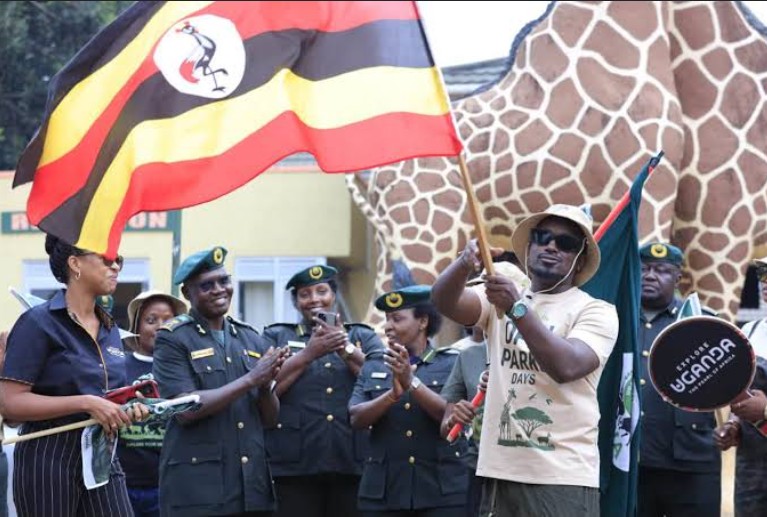
Uganda gave residents and visitors a special reason to explore its protected areas during the 2026 open park days held from September 25 to 27. The three-day initiative opened selected savannah parks and wildlife reserves to the public without the usual entrance charge, creating an opportunity for more people to experience Uganda’s wildlife, landscapes.
The initiative formed part of Uganda’s wider tourism month programme and connected closely with world tourism day celebrations held on September 27 in Mbale. By opening protected areas to the public, The Uganda Wildlife Authority (UWA) and tourism partners placed domestic tourism at the heart of the celebration.
A Three-Day Invitation to Discover Uganda.
Open Park days created an opportunity for people who had never entered a national park to see what lies beyond Uganda’s towns and cities. The programme targeted Ugandans and encouraged people to travel within the country and experience its natural heritage.
UWA worked with the Uganda Tourism Board and tourism stakeholders to promote the initiative. The authorities also used content creators and media personalities to showcase the parks through real travel experiences. This approach helped place wildlife destinations in front of audiences who may overlook a safari.
The free entry arrangement covered park admission, while visitors still needed to pay for some specialised activities and services. Travellers therefore had an opportunity to reduce the basic cost of visiting protected areas while paying for experiences that suited their interests.
Four National Parks Opened Their Gates.
The 2026 campaign highlighted Murchison falls, Queen Elizabeth, Lake Mburo and Kidepo Valley National Parks. Each destination offered a different introduction to Uganda’s wildlife and landscapes.
Murchison Falls National Park brought the power of the Nile into the campaign. Visitors could explore the savannah, search for wildlife and experience the dramatic Murchison Falls, where the Nile forces its way through a narrow gorge before plunging downstream. The Park also offered river experiences and wildlife viewing around the Victoria Nile.
Queen Elizabeth National Park presented another side of Uganda’s wildlife. The park’s open plains, lakes and Kazinga Channel created varied habitats for elephants, buffaloes, hippos, crocodiles and numerous bird species. Visitors during open park days joined game drives and boat cruises, while the Ishasha sector remained associated with its famous tree-climbing lions.
Lake Mburo National Park offered a different safari experience because of its compact landscape and strong connection to walking and community-based tourism. Visitors encountered zebras, impalas, buffaloes and other wildlife across rolling hills, wetlands and acacia vegetation.
Kidepo Valley National Park completed the featured national park circuit with its remote wilderness. Located in northeastern Uganda, Kidepo offers broad savannah plains, rugged mountains and a distinctive wildlife experience. Its distance from the main urban centres makes a visit feel different from a conventional weekend trip.
Wildlife Reserves Added More Options.
Open Park days also extended beyond the major national parks. Ajai wildlife reserve, Pian Upe wildlife reserve, Katonga wildlife reserve and Toro-Semliki wildlife reserve formed part of the programme.
Their inclusion showed that Uganda’s conservation story extends beyond national parks. Wildlife reserves protect important habitats that give visitors more opportunities to discover less publicised parts of the country.
Pian Upe, for example, offers expansive landscapes in eastern Uganda, while Katonga provides wetlands and wildlife habitats in western Uganda. Ajai adds a northern conservation experience and Toro-Semliki connects visitors with the diverse landscapes around the Albertine region.
Why Open Park Days Matter for Domestic Tourism.
For many Ugandans, international travel can seem more attractive than visiting destinations within their own country. Open Park days challenged that habit by removing on of the main barriers to a national park visit: the entrance fee.
The initiative also helped present wildlife tourism as an experience for everyone rather than an activity reserved for international tourists. Families, students, young professionals and local communities could use the opportunity to see wildlife and understand conservation.
Domestic visitors also support communities around protected areas. They spend money on accommodation, food, transport, guiding, crafts and other services. When more Ugandans travel locally, tourism businesses can build a broader customer base and reduce dependence on international arrivals.
Connecting Tourism with Conservation.
Open Park days also carried a conservation message. People tend to value places more when they understand them through direct experience. Seeing elephants, lions, giraffes, hippos or other wildlife in their natural environment can create a stronger connection with the country’s conservation story.
The initiative also reminded visitors that free entry does not mean unrestricted behaviour. Responsible travel remains essential. Visitors should avoid littering, keep a safe distance from wildlife, follow ranger instructions, respect park rules and avoid actions that could disturb animals.
The Future of Open Park Days.
The 2026 edition demonstrated how simple invitation can encourage people to discover destinations close to home. It also showed the value of combining tourism promotion, digital storytelling and conservation education.
As Uganda continues to develop tourism, initiatives such as open park days can help introduce new audiences to national parks and wildlife reserves. Future editions could build on the experience by strengthening community participation, improving visitor information and creating more opportunities for local tourism businesses.
A New Way to See the Pearl of Africa.
Open Park days 2026 gave Uganda’s protected areas a platform during the final weekend of September. From the Nile and Murchison falls, to the plains of Queen Elizabeth, the wetlands of Lake Mburo and the remote wilderness of Kidepo, the programme highlighted the variety within Uganda’s tourism landscape.
The initiative also delivered a message that goes beyond three free-entry days: Uganda’s natural heritage belongs in the travel plans of its own people. When residents explore, appreciate and protect these places, they become part of the tourism story.
For Uganda, that may be the lasting value of open park days. The campaign did not simply open park gates. It encouraged Ugandans to step through them, experience the country differently and discover why the Pearl of Africa continues to offer journeys within its borders.