
Zimbabwe is putting air connectivity at the heart of its next tourism growth chapter, with the country increasingly looking beyond its famous wildlife, Victoria falls and cultural attractions to address one of the issues that can determine whether a destination receives investment: how easily people can reach it.
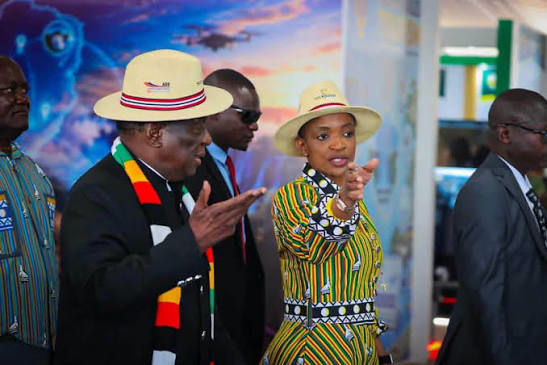
At the 19th Sanganai/Hlanganani/Dzimbahwe World Tourism Expo held in Masvingo in September 2026, aviation connectivity, infrastructure and investment emerged as closely connected priorities. The government has been promoting open skies approach as part of efforts to make Zimbabwe more accessible and encourage the development of new tourism businesses.
The thinking behind the policy is straightforward. Zimbabwe can have spectacular attractions, comfortable hotels and exciting safari experiences, but these products become more difficult to sell internationally when visitors face expensive airfares, limited flight choices or complicated connections.
Tourism investors face the same problem from another angle. Before committing money to a hotel, lodge, conference centre or attraction, investors want confidence that enough travellers will be able to reach the destination. Improving aviation access can therefore influence both visitor numbers and the willingness of businesses to invest.
Zimbabwe’s tourism industry has already shown signs of recovery and expansion. The country recorded about 1.78 million international tourist arrivals in 2025, compared to with roughly 380,820 in 2021. The increase demonstrates the return of international travel following the difficult years experienced by the global tourism sector, but the government is now looking at how to transform rising arrivals into longer-term economic activity.
The challenge is not simply attracting people to Zimbabwe once: it is creating an environment in which visitors stay longer, spend more and discover destinations beyond the country’s most established tourism centres.
The Impact of the Open Skies.
Zimbabwe’s approach forms part of the broader African movement towards liberalising air transport and making travel between African countries easier. The Southern African Development Community has also been pushing for liberalised air transport, with discussions focusing on the implementation of the Single African Air Transport Market improving affordability and encouraging investment in aviation infrastructure.
Stronger air connections are expected to support tourism, trade, investment and the movement of goods and services across the region.
Zimbabwe has already seen a number of airlines operating into the country increase substantially. According to the country’s 2025 National Budget Statement, the number rose from 3 airlines in 2021 to 21 by 2024.
The government has said that it wants to strengthen implementation of the Open Skies Policy so that the additional competition and connectivity can contribute to lower fares and increased passenger traffic.
For ordinary travellers, greater competition can potentially make a major difference. When more airlines compete for passengers, visitors may have more choices regarding departure points, schedules, connections and prices.
A traveller planning a safari to Hwange National Park or a visit to Victoria Falls could find it easy to include Zimbabwe in a regional itinerary. Likewise, tourists already travelling through Southern Africa could have more convenient opportunities to add Zimbabwe to their journeys.
Victoria Falls is an obvious beneficially of better connectivity. The destination is already one of Zimbabwe’s most internationally recognised attractions, but improved access could encourage investors to develop more accommodation, restaurants, adventure activities, conference facilities and other visitor services. The town can also serve as an entry point for travellers who want to combine the falls with wildlife experiences elsewhere in Zimbabwe.
The Major Improvements Needed to Boost the Connectivity.
However, the Open Skies strategy becomes even more interesting when attention moves beyond Victoria falls. Zimbabwe has several destinations with tourism potential that are less prominent internationally. Kariba, for example offers opportunities around Lake Kariba, boating, fishing, wildlife and lakeside holidays.
Yet accessibility remains an important concern. At the tourism investment forum held during Singanai, industry representatives raised the high cost of flying to Kariba and limitations associated with its airport runway.
These challenges illustrate why aviation infrastructure can influence investment decisions. If getting to a destination is expensive or inconvenient, investors may hesitate to build large tourism facilities there because the potential customer base is restricted.
Improving an airport, increasing flight options and making air travel more affordable can change that calculation. A destination that was previously considered difficult to reach can become commercially interesting.
The government has indicated that it is looking at the runway situation in Kariba and engaging potential private contractors for rehabilitation. Such improvements could have consequences beyond the aviation sector.
Better access could encourage hotels and lodges to expand, stimulate demand for restaurants and transport services and make it easier for tour operators to sell Kariba as part of wider Zimbabwe itineraries.
The tourism investment opportunity also extends to smaller businesses. More visitors mean increased demand for guides, drivers, local restaurants, craftspeople, cultural performers, activity providers and community tourism projects.
Tourism investment is therefore not restricted to large international hotel companies. When visitor numbers increase and tourists travel beyond major attractions, money can reach a much wider network of businesses and communities.
Zimbabwe’s Efforts to Benefit from the Connectivity.
Zimbabwe’s government is also looking at investment in accommodation, conferencing and ecotourism. Its National Development Strategy identifies tourism infrastructure and destination connectivity as areas where public and private investment can help expand the sector. The strategy specifically highlights attracting new airlines and improving connections between tourism hubs and major source markets.
The country’s growing aviation network could also strengthen business tourism. Harare has an established role as a commercial and administrative centre, while Victoria Falls has increasingly become a destination for conferences and international meetings.
Reliable flights make it easier for companies and organisations to hold events in Zimbabwe, while conference visitors can combine business trips with leisure experiences.
There is also a regional dimension to the strategy. Zimbabwe does not have to market itself only as a stand-alone destination. It can become part of multi-country Southern Africa itineraries linking Zimbabwe with neighbouring destinations.
Travellers could combine Victoria falls with Botswana, Zambia, South Africa or other regional destinations, depending on available routes and border arrangements. More direct flights can make these combinations easier for international visitors.
Major Highlights of the Connectivity.
For tourism investors, this broader connectivity can make Zimbabwe more attractive because it expands the potential market. A lodge near a national park does not necessarily depend only on tourists flying directly into the nearest airport. It can also benefit from travellers arriving through regional hubs and adding Zimbabwe to a longer African journey.
The government is consequently trying to move the conversation from tourism potential to actual projects. During the Sanganai discussions, Finance, Economic, Development and Investment Promotion Minister Mthuli Ncube emphasised the importance of turning investment interest into businesses and employment.
Tourism receipts also increased in the first half of 2026, rising from US$508million during the comparable period to US$537million, according to figures presented at the event.
For Zimbabwe, the Open Skies strategy is therefore about much more than aircraft arriving at the airports. It is about creating a chain of opportunity in which easier travel encourages more visitors, more visitors create demand for tourism products, stronger demand attracts investors and investments generate employment and local business opportunities.
Zimbabwe already possesses the natural and cultural foundations of a strong tourism industry. What is now being addressed is the connection between those attractions and the international traveller.
If the country can continue expanding air access while improving infrastructure and creating a welcoming environment for investors, the Open Skies Policy could become an important part of Zimbabwe’s effort to turn tourism potential into sustained investment, stronger businesses and wider economic opportunities.