
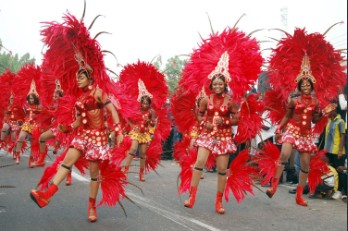
Every December, the streets of Calabar in south eastern Nigeria burst into colour, music, dance and celebration as thousands of performers and spectators gather for the famous Calabar Carnival festival. Known as Africa’s biggest street party, this annual event brings together cultural heritage, contemporary entertainment, creative fashion and Nigerian hospitality in one unforgettable experience.
Located in Cross River State, Calabar has built a strong reputation as a cultural tourism destination. The carnival attracts local and international visitors who want to experience Nigeria through its vibrant street parades, spectacular costumes, live music and energetic performances.
For travellers seeking an African festival that combines cultural discovery with modern entertainment, the Calabar carnival offers an exciting opportunity to experience the country’s creative spirit.
The History of Calabar Carnival.
The story of Calabar Carnival began in 2004, when the Cross River State government introduced the initiative to promote tourism, encourage cultural expression and strengthen the state’s economy. Former governor Donald Duke championed the vision of transforming Calabar into a major destination for festivals and hospitality.
The carnival developed from its early beginnings into a largescale annual celebration featuring competing carnival bands, elaborate costumes, choreographed performances and public entertainment. Organiser gradually expand the programme to include children’s parades, cultural exhibitions, musical concerts and other activities that appeal to different audiences.
Today, the Calabar Carnival represents more than a festive gathering. It provides a platform for artists, designers, dancers, musicians and entrepreneurs to showcase their talents while introducing visitors to the cultural diversity of Cross River State.
Dates and Theme.
The Calabar Carnival Festival will take place during the festive season, with major celebrations scheduled for late December. The official theme for 2026 is “Rethinking our collective destiny” which highlights the carnivals potential to support cultural preservation, tourism development, economic growth and creative enterprise.
The official programme includes several events leading up to the main parade. Cultural carnival and the Night of Kings and Queens are scheduled for December 26, followed by the junior carnival on December 27.
The main carnival Calabar parade will take place on December 28, while the bikers carnival follows on December 29. The wider festival programme also includes music, cultural performances, food experiences and other entertainment activities.
Spectacular Costumes and Carnival Band Competitions.
The carnival’s competing bands from the heart of its street celebrations. These groups combine dance, music, storytelling and elaborate costume design to deliver performances that transform Calabar’s streets into an open-air stage.
Designers spend considerable time developing costumes that incorporate vibrant colours, feathers, decorative materials and imaginative structures. Dancers then bring these designs to life through carefully coordinated movements and energetic routines.
Each band presents its own creative identity, giving spectators different performances to enjoy throughout the parade. The competition encourages innovation, teamwork, artistic excellence while providing opportunities for local designers, performers and production teams.
For photographers and cultural enthusiasts, the combination of expressive costumes, dramatic choreography and lively crowds creates countless opportunities to capture the festival’s atmosphere.
Music, Dance and Nigerian Entertainment.
Music drives the energy of the Calabar Carnival. Performers use traditional rhythms, contemporary Nigerian sounds and coordinated dance routines to connect with audiences along the parade route.
The wider festival programme also features concerts, comedy, talent showcases and performances by established and emerging entertainers. These activities attract young people, families and music lovers looking for entertainment during Nigeria’s Christmas and new year season.
The carnival’s ability to combine cultural expression with modern entertainment helps it appeal to different generations. Visitors can appreciate traditional performances while enjoying the contemporary sounds and creative influences shaping Nigeria’s entertainment industry.
How Calabar Carnival Supports Tourism.
The Calabar Carnival plays an important role in promoting tourism in Cross River State. Buy attracting visitors during the festive season, the event creates demand for accommodation restaurants, transport services, tour guides and local businesses.
Hotels and guest houses welcome travellers, restaurants introduce visitors to regional cuisine and vendors sell food, crafts, souvenirs. Performers, costume designers, event organisers and other creative professionals also gain opportunities to showcase their work.
The festival further strengthens Calabar’s visibility as a destination for cultural experiences. Visitors who arrive for the carnival can explore the city’s history, discover local traditions and extend their stays to experience other attractions in Cross River State.
These opportunities demonstrate how cultural festivals can connect entertainment with economic development while giving communities a platform to celebrate their heritage.