
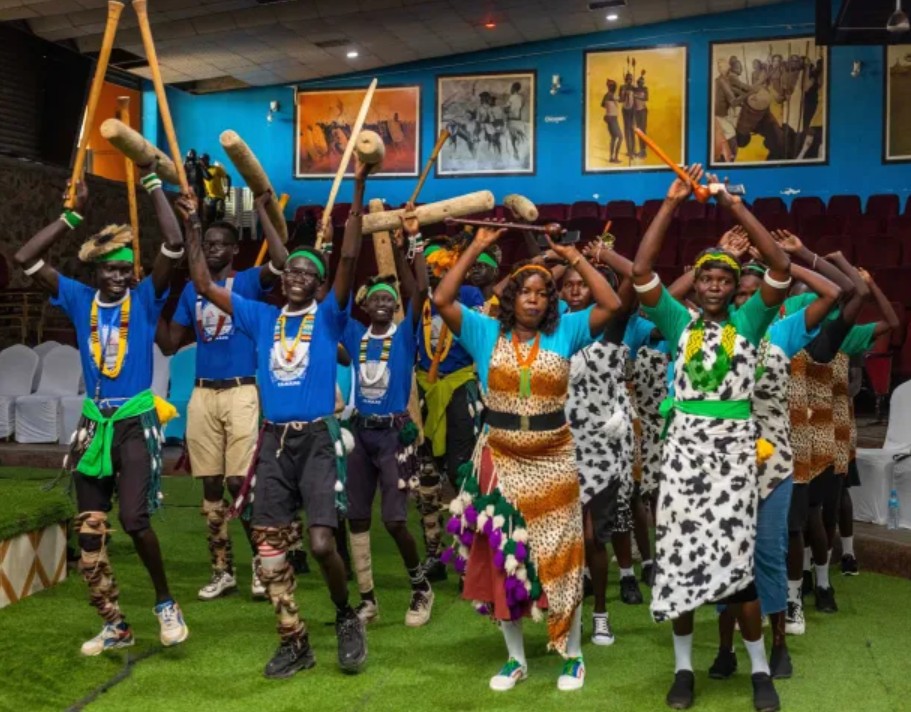
South Sudan is home to a remarkable range of cultural traditions, languages, music and artistic expressions. In the Southern part of the country, Greater Equatoria brings together communities whose identities reflect generations of history, traditional knowledge and shared experiences. The Greater Equatoria cultural day provides an opportunity to celebrate this heritage, recognise the region’s cultural richness and encourage younger generations to appreciate their roots.
Beyond entertainment, a cultural celebration of this kind creates a meeting point for traditional leaders, artists, families, young people and visitors. Through music, dance, food, storytelling and traditional displays, it offers an opportunity to experience the cultural identity of Greater Equatoria while promoting understanding among different communities.
Discover The Cultural Richness of Greater Equatoria.
Greater Equatoria comprises central Equatoria, eastern Equatoria and Western Equatoria. Each area contributes distinct customs, languages, traditional practices and artistic expressions to South Sudan’s national identity.
The region is home to diverse communities including the Bari, Azande, Madi, Kakwa, Kuku, Pojulu and Lopit. Their traditions reflect different relationships with the land, family structures, agriculture, livestock, craftsmanship and community leadership.
Greater Equatoria cultural day celebrates this diversity by creating space for communities to present their heritage and learn from one another. It reminds participants that cultural differences are valuable elements of a shared identity rather than barriers to peaceful coexistence.
Traditional Music and Dance Take Centre Stage.
Music and dance provide some of the most memorable ways to experience Greater Equatoria’s cultural heritage. Traditional performances bring together rhythmic drumming, coordinated movements, colourful clothing and songs that communicate community histories and values.
Different cultural groups use dance to express happiness, mark important occasions, welcome visitors and pass knowledge between generations. Performers also introduce audiences to traditional instruments and musical styles that might otherwise remain unfamiliar to younger people.
For visitors, these performances offer more than visual entertainment. They provide an opportunity to understand how music connects communities with their history, beliefs and everyday lives.
Traditional Food, Clothing and Cultural Exhibitions.
Food forms an important part of cultural identity across Greater Equatoria. Traditional meals reflect local ingredients, agricultural practices and the cooking knowledge that families pass from one generation to another.
A cultural celebration creates an opportunity to introduce visitors to regional dishes and traditional methods of food preparation. Sharing meals also encourages conversations and connections between people from different backgrounds.
Traditional clothing and crafts add another dimension to the experience. Colourful fabrics, handmade accessories, beadwork and locally produced items demonstrate the creativity and craftsmanship of different communities. Such exhibitions also create opportunities for local artisans and small businesses to reach new audiences.
Preserving Indigenous Languages and Traditions.
One of the most important reasons to celebrate Greater Equatoria’s heritage is the need to preserve indigenous knowledge. Languages, oral histories, songs, proverbs and traditional ceremonies carry information about community identity and historical experiences.
However, younger generations increasingly encounter different cultural influences through education, migration, technology and urban lifestyles. Without deliberate efforts to pass traditions forward, some cultural practices and languages risk losing their place in everyday community life.
Greater Equatoria cultural day can help address this challenge by encouraging elders to share their knowledge and giving young people opportunities to participate in cultural activities. Storytelling, traditional performances and language demonstrations make heritage more accessible and meaningful.
Culture as a Bridge to Peace and Unity.
Cultural diversity can strengthen relationships when communities create opportunities to understand and appreciate one another. In South Sudan, cultural gatherings can support dialogue, reconciliation and peaceful coexistence.
By bringing different communities together, Greater Equatoria cultural day encourages people to celebrate their individual identities while recognising their shared connection to South Sudan. It also creates opportunities for traditional leaders, youth representatives and community organisations to discuss issues affecting their communities.
This role makes cultural celebrations important beyond the entertainment programme. They can strengthen social relationships, encourage mutual respect and contribute to a more inclusive national identity.
The Role of Cultural Celebrations in Tourism.
Greater Equatoria’s cultural heritage offers opportunities to develop cultural tourism in South Sudan. Visitors interested in authentic African experiences can learn about traditional music, local cuisine, crafts, community histories and ways of life.
Cultural events can also benefit local entrepreneurs including food vendors, accommodation providers, transport operators, performers and artisans. When visitors spend money within host communities, cultural tourism can support livelihoods while encouraging the preservation of traditional skills.
Travellers exploring the region can also discover its natural landscapes and community experiences. With responsible planning and attention to current travel conditions, cultural activities can complement wider journeys through South Sudan.