
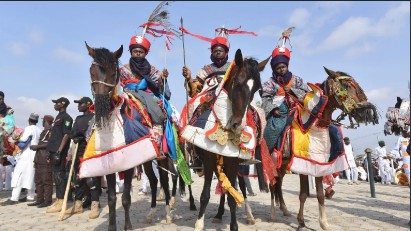
The Kano Durbar Festival stands among Nigeria’s most captivating cultural celebrations bringing together royal tradition, horsemanship, Islamic festivities and the rich heritage of northern Nigeria. Held in kano, a historic city known for its commercial importance and Hausa cultural identity, the festival transforms traditional processions into a remarkable public celebration of history, community and royal ceremony.
Thousands of spectators gather to witness horsemen dressed in elaborate traditional attire as they ride through the city in honour of the Emir. The sound of drums, the movement of decorated horses and the vibrant colours of traditional clothing create an experience that connects visitors with centuries of cultural tradition.
For travellers seeking authentic African cultural experiences, the Kano Durbar Festival offers an opportunity to explore Nigeria beyond its modern cities and discover the traditions that continue to shape local identity.
The History Behind the Kano Durbar Festival.
The origins of the kano Durbar Festival stretch back several centuries. Historical accounts associate its development with the reign of Sarki Muhammadu Rumfa in the late 15th century, when mounted displays demonstrated military preparedness, discipline and the horsemanship of the Kano Emirate.
Overtime, the tradition evolved from a display associated with military strength into a ceremonial celebration linked to important Islamic occasions and the authority of traditional rulers.
Today, the Durbar provides an opportunity for the community to honour its heritage while welcoming guests and celebrating the relationship between the Emir and the people.
In 2024, UNESCO inscribed Durbar in kano on its representative list of the intangible cultural heritage of humanity. This recognition highlighted the tradition’s cultural significance and the importance of preserving the knowledge, craftsmanship and community practices that sustain it.
Spectacular Horse Parades and Royal Processions.
The horse parade remains the defining attraction of the Kano Durbar Festival. Riders representing different traditional groups assemble in carefully prepared formations, creating a powerful display of equestrian skill and ceremonial pride.
The horses wear decorative saddles, embroidered coverings and other traditional accessories. Their riders complement these displays with colourful robes, turbans and ceremonial equipment that reflect the craftsmanship of northern Nigeria.
The Emir and his entourage occupy a central position in the celebrations. As the processions moves through designated routes, riders demonstrate their skills and pay traditional homage to the ruler.
One of the most recognisable Durbar traditions is the Jahi. The dramatic equestrian salute in which horsemen ride towards the Emir before manoeuvring their horses in a display of control and respect.
For spectators, this combination of movement, music, colour and ceremony provides a memorable introduction to the region’s royal traditions.
Hausa Culture, Traditional Dress and Craftsmanship.
Beyond the horses, the Kano Durbar Festival showcases the creativity and cultural knowledge of the communities that sustain it.
Traditional clothing plays an important role in the celebrations. Elaborate robes, carefully rapped turbans and embroidered garments express cultural identity, social standing and regional craftsmanship. Skilled artisans contribute to the preparation of saddles, leather accessories, decorative fabrics and other items used during the festivities.
Music and drumming also enrich the atmosphere, helping participants maintain the rhythm and the ceremonial character of the procession. These artistic traditions connect generations by passing practical skills and cultural knowledge from experienced practitioners to younger community members.
For cultural travellers, the festival offers a valuable opportunity to appreciate how clothing, craftsmanship, music and horsemanship work together to preserve a living heritage.
Why The Kano Durbar Festival Matter to Tourism.
The festival offers significant opportunities for cultural tourism in Nigeria. Its distinctive combination of royal ceremony, traditional arts and equestrian displays appeals to travellers interested in history, photography and authentic community experiences.
The event can also support local business. Visitors may purchase local crafts, explore historic neighbourhoods, sample regional cuisine and use local accommodation and transport services. Artisans, guides, hospitality businesses and other service providers can benefit when tourism creates demand for their products and services.
The festival also helps introduce international audiences to northern Nigeria’s cultural diversity. By presenting local traditions to visitors from different backgrounds, it creates opportunities for cultural exchange and a deeper appreciation of Nigeria’s heritage.
Responsible tourism can strengthen these benefits by encouraging visitors to respect local customs, support community businesses and contribute to the preservation of traditional practices.
Experience The Living Heritage of Norther Nigeria.
The Kano Durbar Festival is more than a colourful parade, but it is a celebration of cultural identity, royal tradition, craftsmanship and community participation that continues to connect the past with the present.
From the decorated horses and skilled riders to the music, traditional clothing and ceremonial greetings, every element contributes to an experience that reflects the cultural richness of Kano.
For anyone exploring Nigeria’s cultural attractions, the Kano Durbar Festival deserves a place on the travel itinerary. Its enduring traditions offer a memorable way to understand norther Nigeria’s history, appreciate its artistic heritage and experience one of the country’s most distinctive cultural celebrations.