
“With the calabash in my hands, my heart was pounding fast; it was my turn to make my requests.
Heard the ancestors. Boldly still, I whispered to myself, ” You can do it, as my grandparents always
told us we should respect and make peace with our traditions because they’re part of us, and yes, it flows in our bloodstreams and, confidently looking into the healer’s eyes, I proclaimed
Rivers and forests don’t just flow or grow; they remember. They carry the wisdom of generations and whisper stories too sacred for speech.
I came seeking stillness and meaning and found both where waters sing, and trees guard memory: the sacred Sezibwa Falls and the emerald Mabira Forest. Each site breathed reverence and mystery; each posed a silent question: Will we cherish what remembers us? My journey began in Mukono just after sunrise, with a bottle of water, a notebook, a camera, and quiet anticipation. I boarded a matatu, a lively local taxi already humming with morning energy.
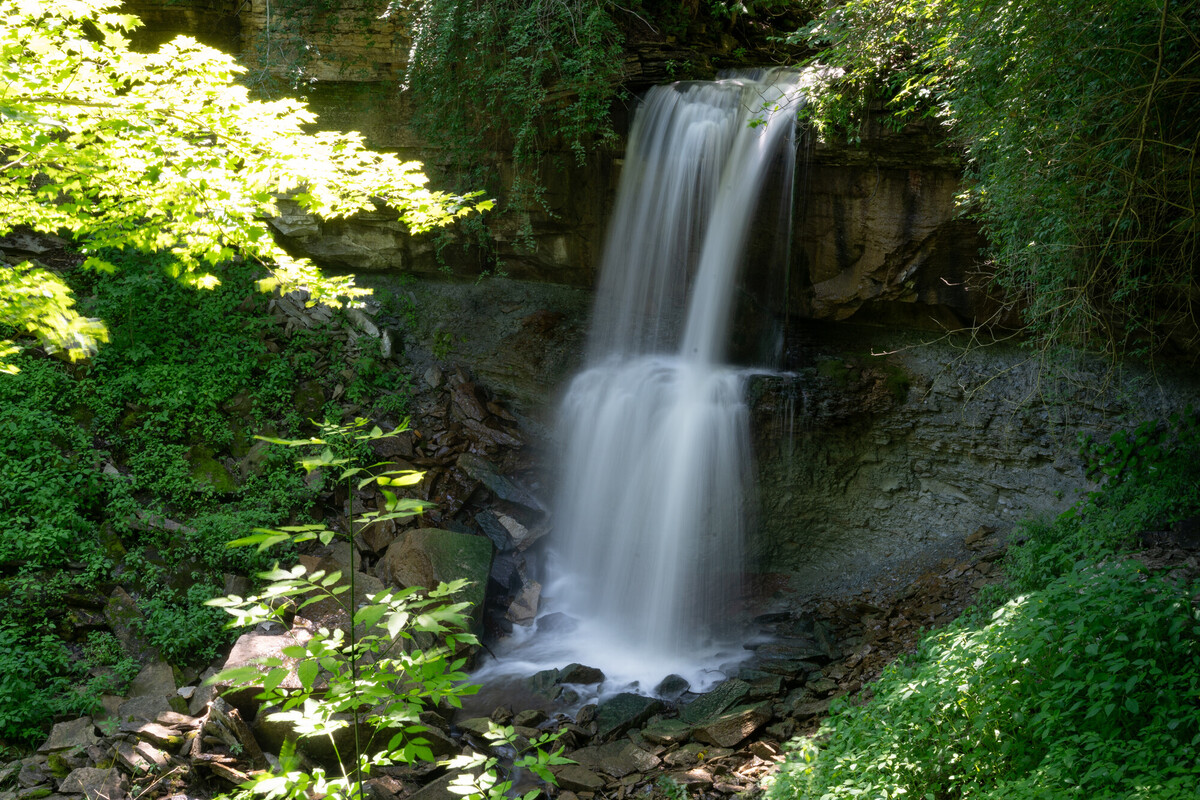
Though Mukono was still waking, my soul was already wandering toward the sacred, guided by stories my grandmother once whispered over firelight. That path led me first to Sezibwa, where the sacred and the natural move as one. As we approached, the air shifted, thick with smoke, prayer, and ancestral memory. Sezibwa was more than a waterfall. It was a living ancestor, a pulse of water, time, and spirit. Legend tells of Twin Rivers born of a woman; one, Sezibwa, chose the hard path, cutting through rock and time. As the proverb warns, “The River that forgets its source will dry up.” Sezibwa had not forgotten.
When I arrived, reverence wrapped the landscape like mist. Smoke spiraled from clay pots; women in bark cloth stood barefoot, offering millet, eggs, and tobacco into the air as if into waiting hands. Men chanted ancestral names, tying memories to trees. Even restless children fell into stillness, held by something deeper. There was no performance, just presence; rituals unfolded like wildflowers after rain. A man stepped forward, kneeling beside a sacred stone wrapped in banana fiber, and whispered in Luganda, low and firm. He offered a golden-feathered rooster not slain, but symbolic. Here, spirit outweighed spectacle.
Nearby, a flickering fire warmed a calabash of local brew. Before anyone drank, a sip was poured at the tree’s roots before you take, you. Give. Then she came, the healer, moving like wind through tall grass; her presence was both gentle and commanding. She gathered herbs into a calabash, fetched water from the falls, inscribed ancient symbols into soil, and cast ash skyward, a blessing lifted like wings. She turned to me and asked, “Would you like to join the ritual?” Her voice was soft, yet anchored in ancestral strength. I nodded
Later, holding the calabash, I wasn’t sure if I was trembling or soaring. My heart beat like a drum, perhaps the echo of my ancestors; I remembered the wish I’d carried for years. “May this place remain wild, and may our children still hear the falls.” “Pour at the roots,” she said. “Speak from the heart: gratitude, hope, a promise.” I poured. She watched. “Now the land has heard you,” she said. “And it will remember what you’ve whispered.” In that moment, what once felt haunting bloomed into peace; these rituals weren’t just tradition
They were living lessons: to scar a tree was to insult an ancestor. To litter was to curse your name. I learnt to treat land with reverence and rhythm. As I left, the healer looked at me one last time. “You are always welcome so long as you remember what you came to protect.” With her words echoing behind me, I left Sezibwa’s sacred rhythm and followed the winding road, the hills thickening with trees. It was as though the spirits of the waterfall had guided us toward our next sacred encounter into the heart of Mabira Forest.
CANOPY WHISPERS SOARING WITH MABIRA
“Wings fold, and breath returns to roots; the hush of trees teaches silently. Step the earth softly remembers.” Mabira greeted me like a green cathedral rising from the earth beyond Namawojolo; its towering trees felt like pillars holding up the sky, its bird calls replacing the chants of Sezibwa with a new kind of reverence inside; the noise of the world faded. In its place, the murmur of moss and memory; the air smelled of rain and roots, of secrets whispered between generations.
Time paused under this leafy ceiling. Leaves rustled like sacred verses. My steps grew hushed, absorbed into centuries of stillness. At Griffin Falls, I soared across treetops on a zip line, gliding like a bird borrowing sky from above. Mabira stretched endlessly. I didn’t feel small; I felt connected. This forest was more than a thrill; it was testimony. To destroy it would silence a voice older than us, but to protect it? That is how we honor the ancient.
As I exited the forest, its song fading behind us, the land softened into rolling farms. Sugarcane swayed, tea. fields unfolded, and farmers moved with grace. That blend of forest and farm reminded me that the next place, Jinja, Uganda’s stone city, would be where nature and human effort meet at the source of the Nile.
THE GATEWAY TO THE ORIGIN OF THE WORLD’S LONGEST RIVER, SOURCE OF THE NILE
“Bridges span more than water; they connect memory, time, and the soul’s longing.”
The Nile greeted me like an old myth stepping into daylight. The New Nile Bridge stood firm, its white cables stretching upward like fingers strumming a harp. Cables stretched upward like fingers strumming a harp; this arc marked the entrance to Jinja, where water begins its mighty journey northward. Crossing that bridge felt like crossing into memory. Below us, the Nile shimmered, carrying stories from ages past. A breeze kissed my cheek as sunlight danced on the water in that quiet moment; I understood why Churchill named Uganda the “Pearl of Africa.” But the river was not the final story; the city that rose along its banks, built of stone, spirit, and sustainability, waited with stories of its own.
ANCIENT STREETS AND SUSTAINABLE MARKETS OF THE STONE CITY
“Looking at that building five times my age, I was amazed it still stood firm and proud.” Jinja wrapped me in calm like a well-woven cloth while Kampala stormed; Jinja swayed. On Main Street, the Madhvani Building stood like an elder watching over time. “Old is gold,” Jaja used to say, and here, gold did not fade. Markets overflowed like gardens: bananas, pineapples, mangoes, all in vibrant rows; each sale passed heritage from hand to hand. Packaging came in folded paper, banana fiber, nothing wasted.
Even commerce whispered conservation. At Napier Market, a woman wove millet stalk baskets. “When it breaks, the goats eat it,” she smiled. Sustainability wasn’t spoken; it was lived. As the sun dropped low, I boarded a matatu back to Mukono. At Namawojolo, the scent of grilled chicken filled the air. Vendors waved skewers through windows, and as I wrapped my hands around the smoky parcel, I tasted something more than food; I tasted home.
A JOURNEY ETCHED IN MEMORY
With the hum of the road beneath me and Mabira’s rustle still in my ears, I realized I hadn’t just taken a trip; I had walked through a living poem. A journey where memory breathes, and every moment whispers. A call to protect what we cannot afford to forget.