
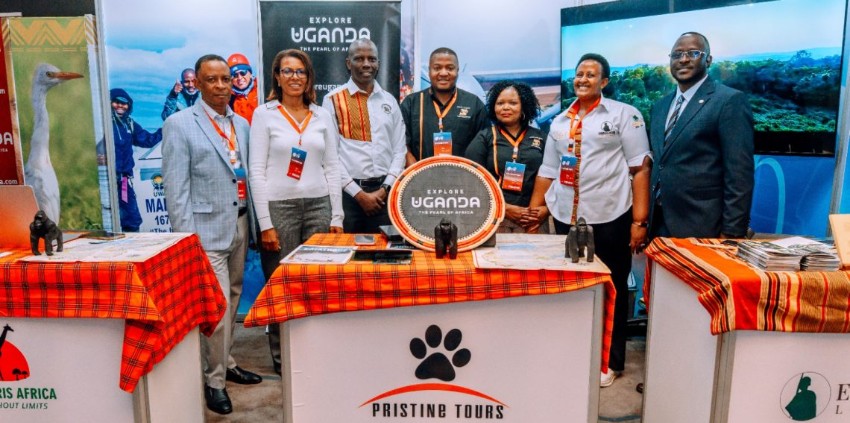
Uganda has taken its tourism story beyond its borders participating in the Oromia Tourism week 2026 in Addis Ababa, Ethiopia. The three-day event held from September 29 September to October 1 at the Ethiopian skylight hotel, brought together tourism businesses, government representatives, investors and travel professionals from different markets.
Uganda used the event to introduce more travellers and tourism investors to its diverse attractions. The country also used the platform to strengthen connections with Ethiopia and explore opportunities within the wider Horn of Africa tourism market.
Uganda Presents Destination Uganda to a New Market.
A Ugandan delegation joined the Embassy of Uganda in Addis Ababa to promote destination Uganda. The delegation included Uganda Tourism Board Chief Executive Office and Presidential Advisor for Tourism Lilly Ajarova, together with representatives from the private tourism sector.
The Uganda stand became a meeting point where visitors could learn about the country’s tourism experiences and engage with Ugandan tourism professionals. The presentation highlighted Uganda’s potential as a destination for travellers looking for wildlife, nature, culture, adventure and unique African experiences.
This approach also reflects a wider effort to move beyond traditional tourism markets. By engaging Ethiopian travellers and businesses directly, Uganda can create stronger relationships with travel companies, investors and potential visitors in the region.
Oromia Tourism Week Focuses on Digital Innovation.
The 2026 Oromia Tourism week ran under the theme “Digital Innovation for Inclusive Tourism.” The theme placed technology at the centre of conversations about the future of tourism and how destinations can use digital tools to reach more people.
Technology now influences almost every stage of a traveller’s journey. People can discover destinations online, compare experiences, communicate with tour operators and make travel arrangements before leaving home.
Uganda’s participation therefore fitted naturally into the event’s digital focus. Instead of relying only on traditional promotional materials, the Ugandan team used technology to give visitors a more interactive introduction to the country’s tourism attractions.
Virtue Reality Gives Visitors a Taste of Uganda.
One of the notable features at the Uganda exhibition stand was a virtue reality experience. The technology allowed visitors to experience a digital preview of tourism destinations without physically travelling to Uganda.
For tourism marketers, such experiences can make destination promotion more engaging. A traveller who sees a destination through an immersive digital experience can develop a clearer idea of what a future trip could feel like.
Isaac Mulindwa, Chief Executive Officer of VAMOS – Africa Luxury Tours, highlighted the value of digital immersion in tourism marketing. The use of virtue experiences at the event demonstrated how Uganda’s tourism industry can combine its natural attractions with modern promotional tools.
Building Tourism Partnerships Across the Horn of Africa.
Oromia tourism week also created space for business connections. Isa Kato, Vice President of the Uganda Tourism Association and Managing Director of Pristine Tours Ltd, described the event as an important regional for tourism professionals, government officials and investors.
Uganda’s participation was therefore about more than displaying tourism attractions. It created opportunities for tour operators to meet potential partners and discuss ways to develop travel between Uganda, Ethiopia and other countries in the region.
Cross-border partnerships can help tourism business create new packages, share markets and introduce travellers to several destinations within one regional journey.
Ethiopia Offers a Significant Tourism Market.
The Uganda Embassy in Addis Ababa sees Ethiopia as an important market for Ugandan tourism. Minister-counsellor Margarete Kafeero welcomed Uganda’s participation and described the country as a largely untapped opportunity for tourism promotion.
The interest makes sense because Ethiopia has a large domestic population and serves as an important aviation and business centre in Africa. Connecting with Ethiopian travellers can therefore give Ugandan tourism businesses access to a wider network of potential visitors and partners.
The event also provides an opportunity for Uganda to present tourism not only as leisure travel but also an avenue for investment, business cooperation and cultural exchange.
Uganda’s Wildlife and Cultural Experiences Take Centre Stage.
Uganda has a broad tourism portfolio that can appeal to different types of travellers. Its national parks offer opportunities for wildlife viewing, while its forests support experiences such as gorilla trekking and chimpanzee trekking.
Beyond wildlife, Uganda offers cultural encounters, mountain landscapes, lakes, rivers, adventure activities and community-based tourism. These experiences give international visitors different ways to explore the country.
At a regional tourism event such as Oromia tourism week, presenting this variety helps visitors understand that Uganda offers more than one type of holiday.
Digital Tourism Can Open More Doors.
The emphasis on digital innovation at Oromia tourism week also highlights an important shift in destination marketing. Tourism businesses increasingly need to meet travellers where they search for information: online.
Virtue reality, social media, digital booking systems, online storytelling and artificial intelligence can help destinations communicate with travellers in new ways. Ethiopia’s own tourism sector has also been placing greater emphasis on digital transformation, showing the growing importance of technology across the African tourism industry.
For Uganda, embracing these tools can help turn these interests into actual travel enquiries and bookings.
Strengthening Uganda – Ethiopia Tourism Connections.
Uganda’s presence at Oromia tourism week 2026 represents another step towards stronger tourism cooperation between the two countries. The event brought together the public and private sectors while giving Ugandan tourism businesses an opportunity to present their products to a new audience.
As Uganda continues to promote itself across Africa, regional events such as this can help build lasting business relationships and increase awareness of Destination Uganda.
The message from Addis Ababa is clear: Uganda is looking beyond its traditional tourism markets and using regional partnerships, digital technology and direct engagement to tell its tourism story to more travellers. With continued cooperation between tourism authorities and private operators, the Ethiopian market can become an important part of Uganda’s growing regional tourism network.